Categories
Real Estate Investing

How to Conduct a Neighborhood Analysis for Your Rental Property

Are you considering purchasing a rental property? If so, you’re likely aware that location is a critical factor in determining the success of your investment. Conducting a thorough neighborhood analysis is an essential step in making an informed decision. In this comprehensive guide, we’ll walk you through the process of conducting a neighborhood analysis for your rental property, ensuring that you choose the right location to maximize your returns.

How to Conduct a Neighborhood Analysis for Your Rental Property

Introduction to Neighborhood Analysis

Before delving into the specifics, let’s start with the basics. What exactly is a neighborhood analysis? It’s the process of evaluating the area surrounding a potential rental property to determine whether it’s a suitable investment. This analysis considers various factors that can impact your property’s desirability, rentability, and long-term value.

Neighborhood

Why Conduct a Neighborhood Analysis

1. Ensuring Tenant Attraction and Retention

One of the primary goals of a neighborhood analysis is to assess whether your rental property will attract and retain tenants. A desirable neighborhood can lead to higher occupancy rates and longer lease agreements.

Imagine you have a rental property in a neighborhood with low crime rates, excellent schools, and easy access to amenities. This will undoubtedly make your property more appealing to potential tenants, increasing your chances of securing long-term, reliable renters.

2. Protecting Your Investment

By conducting a thorough analysis, you can identify potential risks and challenges that may affect your property’s value over time. This includes factors like crime rates and property values.

For instance, if you were to invest in a neighborhood with a declining real estate market, you might face difficulties in selling the property or achieving a reasonable return on investment. An in-depth analysis helps you steer clear of such pitfalls and make a more secure investment.

Gathering Data for Your Analysis

To conduct an effective neighborhood analysis, you’ll need data. Here’s how to gather it:

Online Resources

The internet is a treasure trove of information. You can find data on crime rates, school quality, property values, and more through various websites and databases. Let’s explore some of the critical data points you should consider:

a. Crime Rates

Safety should be a top priority for any prospective tenant. Research the neighborhood’s crime rates, both violent and property crimes, to assess its safety level. Websites like NeighborhoodScout, crimegrade.com and local police department websites provide valuable crime data.

b. School Quality

Families with children often prioritize good schools. Assess the quality of local schools and their proximity to your property. Websites like GreatSchools offer school ratings and reviews, helping you make an informed decision.

c. Property Values

Property values can significantly impact your investment’s potential for appreciation. Examine the historical trends in property values for the neighborhood. Websites like Zillow and Redfin provide data on home prices and market trends.

Local Agencies

Local government agencies and police departments often provide valuable data on crime rates, zoning laws, and community initiatives. Don’t hesitate to reach out to these agencies to access reliable, up-to-date information.

a. Zoning Laws

Understanding zoning laws is crucial for determining how you can use your rental property. Local zoning regulations may affect your ability to convert a property into a rental or make specific modifications.

b. Community Initiatives

Community involvement and development initiatives can greatly impact the neighborhood’s quality of life and attractiveness to renters. Explore local community websites and attend neighborhood meetings to learn about ongoing projects and community engagement.

Site Visits

Sometimes, the best way to assess a neighborhood is by visiting it in person. Walk around, talk to residents, and get a feel for the area. Pay attention to the following during your site visit:

a. Physical Condition

Inspect the overall condition of the neighborhood. Are properties well-maintained? Are there signs of neglect or disrepair?

b. Safety and Environment

Assess the safety of the neighborhood during your visit. Are there visible security measures in place? Is the environment clean and well-kept?

c. Community Interaction

Engage with local residents and businesses to get a sense of the community’s dynamics. Are people friendly and involved in community activities?

Key Factors to Consider

When analyzing a neighborhood, consider these key factors:

Safety

Safety should be a top priority. Research crime rates and speak with local law enforcement to gauge the neighborhood’s security.

Imagine you have a rental property in a neighborhood with low crime rates, excellent schools, and easy access to amenities. This will undoubtedly make your property more appealing to potential tenants, increasing your chances of securing long-term, reliable renters.

Schools and Education

Families with children often prioritize good schools. Assess the quality of local schools and their proximity to your property.

For instance, if you were to invest in a neighborhood with a declining real estate market, you might face difficulties in selling the property or achieving a reasonable return on investment. An in-depth analysis helps you steer clear of such pitfalls and make a more secure investment.

Proximity to Amenities

Access to grocery stores, parks, shopping centers, and healthcare facilities can significantly impact a neighborhood’s appeal.

Consider a scenario where your rental property is situated in a neighborhood with convenient access to essential amenities like grocery stores, parks, shopping centers, and healthcare facilities. This can enhance your property’s attractiveness to potential tenants, increasing your chances of securing long-term, reliable renters.

Employment Opportunities

A thriving job market can attract potential tenants. Research local industries and employment rates.

Imagine you invest in a neighborhood with a booming job market, offering various employment opportunities. This can lead to a steady influx of renters, ensuring your property remains occupied and generating consistent rental income.

Analyzing Demographics and Trends

Understanding the demographics of a neighborhood is essential. Are there specific age groups or cultural backgrounds that dominate the area? Additionally, research any ongoing trends, such as population growth or urban development projects.

Demographics

Analyze the demographic makeup of the neighborhood. Consider factors such as age groups, income levels, and cultural diversity. Understanding the demographics can help you tailor your rental property’s marketing and pricing strategies to attract the right tenants.

Trends

Stay informed about ongoing trends in the neighborhood. Are there upcoming development projects, new businesses, or revitalization efforts? Being aware of these trends can give you insights into the area’s future potential.

Assessing Property Values and Rental Rates

Property values and rental rates can vary greatly from one neighborhood to another. Compare prices in your target neighborhood with nearby areas to determine if it’s a good investment.

Property Values

Examine the historical trends in property values for the neighborhood. Have values been steadily increasing, indicating a desirable area for real estate investment?

Rental Rates

Research rental rates for similar properties in the neighborhood. Are the rates competitive and likely to provide you with a satisfactory return on investment?

By analyzing property values and rental rates, you can ensure that your investment aligns with your financial goals.

Community Engagement and Involvement

A strong sense of community can make a neighborhood more attractive to renters. Look for signs of community involvement, such as local events, neighborhood associations, and volunteer opportunities.

Local Events

Explore whether the neighborhood hosts regular community events and activities. A vibrant social calendar can indicate a strong sense of community.

Neighborhood Associations

Check if there are active neighborhood associations or groups. These organizations often work to improve the neighborhood’s quality of life and may be indicative of a well-engaged community.

Understanding Local Regulations and Zoning Laws

Local regulations and zoning laws can impact your property’s use and potential for expansion. Familiarize yourself with these regulations to avoid future complications.

Zoning Laws

Understanding zoning laws is crucial for determining how you can use your rental property. Local zoning regulations may affect your ability to convert a property into a rental or make specific modifications.

Building Codes

Review local building codes to ensure that your rental property complies with safety and structural requirements. Non-compliance could lead to costly renovations or penalties.

By staying informed about local regulations, you can avoid potential legal issues and ensure a smooth rental property experience.

Evaluating Transportation and Accessibility

Easy access to public transportation, highways, and major roads can enhance your property’s appeal. Evaluate the neighborhood’s transportation options.

Public Transportation

Assess the availability and reliability of public transportation in the area. Convenient access to buses, trains, or subway systems can make your rental property more appealing to tenants who rely on public transit.

Major Roads and Highways

Consider the accessibility of major roads and highways. A location with easy access to transportation arteries can attract tenants who commute for work or leisure.

Environmental Considerations

Consider environmental factors like air quality, noise levels, and proximity to natural attractions. These can affect the overall quality of life for your tenants.

Air Quality

Check air quality reports for the neighborhood. Clean air and a healthy environment can be selling points for your rental property.

Noise Levels

Evaluate noise levels in the area. A peaceful neighborhood is more likely to attract tenants seeking a quiet and serene living environment.

Natural Attractions

Proximity to parks, lakes, hiking trails, or other natural attractions can enhance your property’s appeal. Tenants who appreciate outdoor activities may find such locations enticing.

Putting it All Together: Creating Your Neighborhood Analysis

Now that you’ve gathered data and assessed key factors, it’s time to create a comprehensive neighborhood analysis. This analysis should include the following components:

Overview of the Neighborhood

Provide a general overview of the neighborhood, including its location, size, and historical background.

Key Statistics

Present key statistics related to crime rates, school quality, property values, and rental rates. Use charts and graphs to make the data visually accessible.

Suitability Assessment

Offer your assessment of the neighborhood’s suitability for your rental property. Highlight its strengths and potential challenges.

Recommendations

Based on your analysis, make recommendations for potential improvements or strategies to maximize the property’s appeal to tenants.

Conclusion: Making Informed Rental Property Decisions

A thorough neighborhood analysis is an indispensable tool for any real estate investor. It empowers you to make informed decisions, mitigate risks, and maximize the returns on your rental property. Remember that the neighborhood you choose can significantly impact your investment’s success.

By conducting a comprehensive analysis, you increase your chances of:

  • Attracting and retaining desirable tenants.
  • Safeguarding your investment against potential risks.
  • Achieving a favorable return on investment.
  • Contributing positively to the community and neighborhood development.

FAQs on Conducting a Neighborhood Analysis for Rental Property

  1. What are the essential factors to consider in a neighborhood analysis?A thorough neighborhood analysis should consider factors such as safety, school quality, proximity to amenities, employment opportunities, and local regulations.
  2. How can I access data on crime rates and school quality in a specific neighborhood?You can access data on crime rates from websites like NeighborhoodScout or your local police department’s website. For school quality, websites like GreatSchools provide ratings and reviews.
  3. What role does community engagement play in a neighborhood’s desirability?Community engagement can enhance a neighborhood’s desirability by fostering a sense of belonging and improving the overall quality of life for residents.
  4. Why is it crucial to understand local regulations and zoning laws?Understanding local regulations and zoning laws is crucial to ensure that your rental property complies with legal requirements and avoids potential complications.
  5. How can I stay updated on changing trends in a neighborhood over time?Staying informed about changing trends in a neighborhood involves regularly monitoring local news, attending community meetings, and networking with local residents and real estate professionals.

In conclusion, conducting a neighborhood analysis is a vital step in the process of purchasing a rental property. By following these guidelines and thoroughly researching your target neighborhood, you can make informed decisions that will benefit both you and your future tenants. Happy investing!


Categories
Stock Market Investing

Explore the Best Dividend Stocks for Passive Income

In today’s volatile financial landscape, finding stable and lucrative investment options is a top priority for many investors. One such avenue that has stood the test of time is investing in dividend stocks. These stocks offer a unique blend of growth potential and regular income, making them a popular choice for those seeking to generate passive income. In this comprehensive guide, we will explore the world of dividend stocks, uncovering the strategies, benefits, and some top picks for investors looking to build wealth over the long term.

Dividend stock on a computer

Explore the Best Dividend Stocks for Passive Income

Introduction to Dividend Stocks

Dividend stocks represent shares in companies that distribute a portion of their profits to shareholders on a regular basis, usually quarterly. This distribution, known as dividends, can provide investors with a steady stream of income, making them an attractive choice for those looking to supplement their earnings or build wealth over time.

Why Invest in Dividend Stocks

Investing in dividend stocks offers several advantages. First and foremost, they provide a consistent source of income, which can be especially beneficial for retirees or those planning for retirement. Additionally, dividend stocks tend to be less volatile than growth stocks, making them a safer investment option during economic downturns.

How Dividend Stocks Work

Dividend stocks work by companies allocating a portion of their earnings to pay dividends to shareholders. These payments are typically made in cash, although some companies offer stock dividends, where shareholders receive additional shares instead of cash.

Different Types of Dividend Stocks

There are various types of dividend stocks, including common stocks, preferred stocks, and real estate investment trusts (REITs). Each type has its unique characteristics and benefits, catering to different investor preferences and goals.

Selecting the Best Dividend Stocks

Choosing the right dividend stocks requires careful analysis. Investors should consider factors such as the company’s financial health, dividend history, and growth prospects. Additionally, diversifying across different sectors can help mitigate risk.

Building a Diversified Portfolio

Diversification is a key strategy in dividend investing. By spreading investments across multiple dividend-paying stocks and sectors, investors can reduce the impact of poor performance in a single stock or industry.

Dividend Reinvestment Plans (DRIPs)

Many dividend stocks offer DRIPs, allowing investors to automatically reinvest their dividends to purchase additional shares. This can accelerate wealth accumulation over time.

Tax Considerations with Dividend Stocks

Understanding the tax implications of dividend income is crucial. While dividends are generally taxable, certain types of dividends may qualify for lower tax rates.

Risk Management in Dividend Investing

Although dividend stocks are considered safer than some other investment options, they are not without risk. Investors should be aware of potential risks and implement risk management strategies accordingly.

How to Choose Dividend Stocks

When choosing dividend stocks, it is important to consider factors such as the dividend yield, the company’s financial strength, and its dividend history. It is also important to diversify your portfolio by investing in a variety of different stocks.

Dividend Yield

The dividend yield is the amount of dividend paid per share, expressed as a percentage of the share price. A higher dividend yield means that the company is paying out a larger portion of its profits to shareholders. However, it is important to note that dividend yield is not the only factor to consider when choosing dividend stocks.

Financial Strength

The company’s financial strength is important because it determines the company’s ability to continue paying dividends. You should look at the company’s debt-to-equity ratio, cash flow, and earnings per share. A company with a strong financial position is more likely to be able to continue paying dividends even in difficult times.

Dividend History

The company’s dividend history is also important. A company that has a history of increasing its dividends is more likely to continue doing so in the future. However, it is important to note that even companies with a history of increasing dividends can cut their dividends in the future.

Diversification

It is important to diversify your portfolio by investing in a variety of different stocks. This will help to reduce your risk if one of your stocks performs poorly. You can diversify your portfolio by investing in different industries, countries, and asset classes.

Other Factors to Consider

In addition to the factors mentioned above, there are other factors that you may want to consider when choosing dividend stocks. These factors include:

  • The company’s growth prospects.
  • The stability of the company’s dividend payments.
  • The company’s payout ratio.
  • The company’s valuation.

It is important to do your own research and consult with a financial advisor before investing in any dividend stocks.

Top 5 Dividend Stocks for Passive Income in 2023

Please not that this not a recommendation to buy or sell any securities, only a selection of stocks that could fit the criteria mentioned above for educational purpose only. You should do your own due diligence and check with your financial advisor.

The Top 5 Dividend Stocks for Passive Income in 2023

The following are the top 5 dividend stocks for passive income in 2023, based on factors such as dividend yield, dividend growth rate, and financial strength:

  1. Realty Income Corporation (O)

Realty Income Corporation is a real estate investment trust (REIT) that owns and operates a portfolio of over 11,700 commercial properties in 51 states and Puerto Rico. The company has a dividend yield of 4.3%, and it has been increasing its dividend for the past 96 consecutive quarters.

  1. AT&T (T)

AT&T is another leading telecommunications company that provides wireless, wireline, and internet services. The company has a dividend yield of 5.7%, and it has been paying dividends for over 100 years. AT&T is a well-established company with a large customer base, making it a safe investment for dividend investors.

AT&T is also a Dividend Aristocrat, with a streak of 35 consecutive years of dividend increases. The company has a strong financial position, with a debt-to-equity ratio of 0.9. AT&T is also a diversified company, with operations in the United States, Mexico, and Latin America.

  1. Johnson & Johnson (JNJ)

Johnson & Johnson is a diversified healthcare company that manufactures and distributes a wide range of products, including pharmaceuticals, medical devices, and consumer goods. The company has a dividend yield of 2.7%, and it has been paying dividends for over 100 years. Johnson & Johnson is a well-respected company with a strong financial position, making it a good choice for dividend investors.

Johnson & Johnson is also a Dividend Aristocrat, with a streak of 56 consecutive years of dividend increases. The company has a strong financial position, with a debt-to-equity ratio of 0.4. Johnson & Johnson is also a diversified company, with operations in over 60 countries.

  1. Coca-Cola (KO)

Coca-Cola is a beverage company that produces and distributes soft drinks, juices, and other beverages. The company has a dividend yield of 2.8%, and it has been paying dividends for over 50 years. Coca-Cola is a global brand with a strong track record of growth, making it a good choice for dividend investors.

Coca-Cola is also a Dividend Aristocrat, with a streak of 59 consecutive years of dividend increases. The company has a strong financial position, with a debt-to-equity ratio of 1.0. Coca-Cola is also a diversified company, with operations in over 200 countries.

  1. Procter & Gamble (PG)

Procter & Gamble is a consumer goods company that manufactures and distributes a wide range of products, including personal care products, household cleaning products, and food products. The company has a dividend yield of 2.5%, and it has been paying dividends for over 100 years. Procter & Gamble is a well-established company with a strong financial position, making it a good choice for dividend investors.

Procter & Gamble is also a Dividend Aristocrat, with a streak of 65 consecutive years of dividend increases. The company has a strong financial position, with a debt-to-equity ratio of 0.5. Procter & Gamble is also a diversified company, with operations in over 70 countries.

Dividend Stocks vs. Other Investment Options

Compare dividend stocks with other popular investment choices, such as bonds, real estate, and growth stocks, to make informed investment decisions.

Common Mistakes to Avoid

Avoiding common pitfalls is essential for successful dividend investing. Learn from the mistakes of others to safeguard your portfolio.

Tracking and Managing Your Dividend Portfolio

Discover effective tools and strategies for monitoring and managing your dividend portfolio to maximize returns and maintain financial stability.

Conclusion: The Power of Dividend Stocks

In conclusion, dividend stocks offer a compelling avenue for investors to generate passive income and build long-term wealth. By carefully selecting and managing a diversified portfolio of dividend-paying stocks, investors can enjoy a steady stream of income while benefiting from the potential for capital appreciation. Start your journey into the world of dividend stocks today to secure your financial future.

FAQs

  1. What are dividend stocks, and how do they work?
  2. Are dividend stocks a suitable investment for retirees?
  3. How can I build a diversified dividend portfolio?
  4. What tax considerations should I be aware of when investing in dividend stocks?
  5. What are some common mistakes to avoid when investing in dividend stocks?
Categories
Investing

Mastering Financial Planning for Millionaire Status

In today’s fast-paced world, achieving millionaire status is a dream for many. However, it’s not just about earning a million dollars; it’s about managing your finances wisely to ensure long-term wealth and financial security. Mastering financial planning is the key to turning this dream into a reality. In this comprehensive guide, we will walk you through the essential steps and strategies needed to reach millionaire status through effective financial planning.

Mastering Financial Planning for Millionaire Status

Now, let’s delve into each section step by step, helping you pave your way towards mastering financial planning for millionaire status.

Introduction

Achieving millionaire status isn’t just a matter of luck; it requires diligent planning, disciplined execution, and a keen understanding of financial principles. In this article, we will guide you through the essential steps to take control of your finances and work towards becoming a millionaire.

Grow wealth over time

Setting Clear Financial Goals

Defining Your Vision

The journey towards millionaire status begins with a clear vision. What does financial success mean to you? Is it early retirement, financial security for your family, or the ability to support charitable causes? Define your vision and set specific, measurable, achievable, relevant, and time-bound (SMART) financial goals.

Short-Term and Long-Term Goals

Divide your goals into short-term and long-term objectives. Short-term goals may include paying off credit card debt or saving for a vacation, while long-term goals could involve retirement planning or purchasing real estate. Having a mix of both ensures you stay motivated and make consistent progress.

Creating a Detailed Budget

Tracking Your Expenses

To master financial planning, you must know where your money is going. Track your expenses meticulously for a few months to identify patterns and areas where you can cut back. Many budgeting apps and tools can simplify this process.

Identifying Areas for Savings

Once you’ve tracked your expenses, identify areas where you can save money. It could be as simple as dining out less frequently, canceling unused subscriptions, or shopping for essentials during sales.

Investing Wisely

Diversification of Investments

Investing is a crucial component of wealth building. Diversify your investments across different asset classes such as stocks, bonds, real estate, and mutual funds. Diversification helps mitigate risk and enhance long-term returns.

Seeking Professional Advice

Consider consulting a financial advisor or investment expert to develop a personalized investment strategy tailored to your goals and risk tolerance. Their expertise can help you make informed investment decisions.

Debt Management

Prioritizing High-Interest Debt

Start by tackling high-interest debts, such as credit card balances. Paying off these debts should be a priority as the interest charges can eat into your financial progress.

Strategies for Paying Off Debt

Explore debt repayment strategies, like the debt avalanche or debt snowball method, to efficiently pay down your debts. These methods can help you become debt-free faster.

Building Multiple Income Streams

Passive Income Opportunities

Look for opportunities to generate passive income, such as rental properties, dividend-paying stocks, or creating an online course. Passive income can supplement your primary earnings.

Side Businesses and Investments

Consider starting a side business or investing in ventures that align with your interests and skills. These additional income streams can significantly boost your wealth-building efforts.

Tax Optimization

Utilizing Tax-Advantaged Accounts

Take advantage of tax-advantaged accounts like 401(k)s and IRAs to reduce your taxable income while saving for retirement. These accounts offer tax benefits that can accelerate your financial growth.

Tax-Efficient Investment Strategies

Implement tax-efficient investment strategies to minimize capital gains taxes. Tax-efficient investing can help you keep more of your investment returns.

Estate Planning

Creating a Will and Trust

Estate planning is crucial to ensure your assets are distributed according to your wishes. Create a will and consider establishing trusts to minimize probate and estate taxes.

Minimizing Estate Taxes

Work with a qualified estate planning attorney to explore strategies for minimizing estate taxes, protecting your wealth for future generations.

Continuous Learning

Staying Informed about Financial Markets

Stay informed about economic trends and financial markets. Knowledge is power when it comes to making informed investment decisions.

Adapting to Economic Changes

Be adaptable and willing to adjust your financial plan as economic conditions change. Flexibility can help you navigate market volatility.

Staying Disciplined

Overcoming Temptations

Resist the temptation to overspend on unnecessary luxuries. Staying disciplined with your finances is key to long-term success.

Maintaining a Long-Term Perspective

Keep a long-term perspective in mind. Becoming a millionaire through financial planning takes time and patience. Stay focused on your goals.

Seeking Professional Guidance

Financial Advisors

Consider working with a financial advisor who can provide expert guidance on your financial journey. They can help you make informed decisions and optimize your strategies.

Certified Public Accountants

A certified public accountant (CPA) can assist with tax planning and ensure you’re taking advantage of all available tax benefits.

Measuring and Celebrating Progress

Tracking Net Worth

Regularly track your net worth to see how your wealth is growing over time. Celebrate milestones and use them as motivation to keep moving forward.

Setting Milestones

Set achievable financial milestones along the way. Whether it’s reaching a certain savings goal or paying off a specific debt, milestones help you stay on track.

Avoiding Common Pitfalls

Impulsive Spending

Be cautious of impulsive spending. Stick to your budget and financial plan to avoid derailing your progress.

Ignoring Risk Management

Don’t overlook risk management. Ensure you have adequate insurance coverage and an emergency fund to handle unexpected expenses.

Conclusion

Mastering financial planning for millionaire status is an achievable goal for anyone willing to put in the effort and discipline. By setting clear goals, creating a detailed budget, investing wisely, and seeking professional guidance, you can pave your way to financial success and secure your future.

FAQs

1. How long does it take to become a millionaire through financial planning?

  • The timeline varies depending on your income, expenses, and investment returns. With consistent effort, it’s possible to achieve this goal in a couple of decades or less.

2. Do I need a financial advisor to become a millionaire?

  • While it’s not mandatory, a financial advisor can provide valuable insights and optimize your financial strategies, potentially accelerating your journey to millionaire status.

3. What is the most effective way to pay off high-interest debt?

  • The debt avalanche and debt snowball methods are popular strategies. The most effective method depends on your financial situation and preferences.

4. Are there any shortcuts to becoming a millionaire?

  • There are no guaranteed shortcuts, but wise investments, disciplined saving, and financial education can expedite the process.

5. How can I stay motivated on my financial journey?

  • Setting milestones, tracking your progress, and visualizing your financial goals can help maintain motivation throughout your journey.

Begin your journey to financial success today by implementing the strategies outlined in this guide. Remember, financial planning is a lifelong endeavor, and every step you take brings you closer to your millionaire status.

Categories
Real Estate Investing

Inspiring And Successful Long Distance Real Estate Investors

Real estate investing is a lucrative venture that attracts both novice and experienced investors. Traditionally, investors focused on local properties, but with the advent of technology and globalization, long-distance real estate investing has become a viable option. This article explores inspiring case studies of successful long-distance real estate investments, showcasing how investors achieved remarkable success by thinking beyond local boundaries.

Inspiring Case Studies of Successful Long Distance Real Estate Investing

There are many inspiring case studies of successful long distance real estate investing. Here are a few examples:

David Green

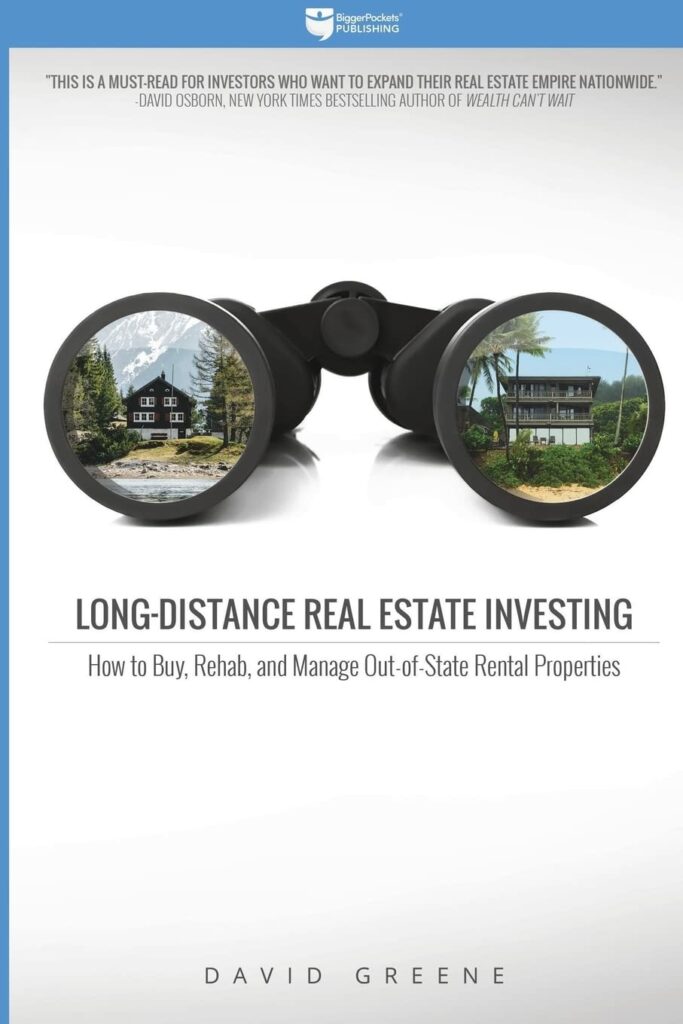
Long Distance Real Estate Investing by David Greene

David Greene is another successful long distance real estate investor. He is the co-host of the BiggerPockets Podcast and the author of two books on real estate investing: Long-Distance Real Estate Investing and Buy, Rehab, Rent, Refinance, Repeat (BRRRR).

Greene has built a multi-million dollar portfolio of properties in several states, including California, Arizona and Florida. He started his investing journey as a police officer, and he now teaches others how to achieve financial freedom through real estate investing.

Greene is a strong advocate for long distance real estate investing. He believes that it is possible to build a successful portfolio of properties even if you are not able to be on-site. He emphasizes the importance of doing your research, hiring a good team, and being patient.

If you are considering long distance real estate investing, Greene is a great resource. His books and podcast offer valuable insights and advice. He is also a frequent speaker at real estate investing events.

Here are some of the key factors that have contributed to Greene’s success:

  • He is a great researcher. Greene spends a lot of time researching different markets before he invests in a property. He understands the factors that drive demand for rental properties, and he is able to find undervalued properties that have the potential to generate good returns.
  • He has a great team. Greene works with a team of experienced professionals who help him manage his properties. This includes what he calls his core 4: a real estate agent, a financing provider (a bank), a property manager and a a contractor. This allows him to focus on the big picture and not get bogged down in the day-to-day details.
  • He is patient. Greene understands that real estate investing is a long-term investment. He is not looking to get rich quick. He is willing to wait for the right deals to come along, and he is patient with his properties.

If you are considering long distance real estate investing, Greene is a great role model. He has achieved great success by following a disciplined approach and by being patient.

Brandon Turner

Brandon Turner is a successful real estate investor and entrepreneur. He has built a multi-million dollar portfolio of properties in different states across the country. He started his investing journey with no experience and no money, and he now teaches others how to do the same through his blog and podcast.

Turner’s story is one of inspiration and determination. He grew up in a small town in Washington State, and he didn’t have any family members who were involved in real estate. But he was always fascinated by the idea of owning rental properties.

When he was 21 years old, Turner decided to take the plunge and buy his first rental property. He used all of his savings to buy a small duplex, and he rented out both units. The property was a success, and Turner was hooked on real estate investing.

Over the next few years, Turner continued to invest in real estate. He bought more properties, and he started to build a team of professionals to help him manage his portfolio. He also started a blog and a podcast to share his knowledge with others.

Today, Turner is a successful real estate investor and entrepreneur. He has built a multi-million dollar portfolio of properties, and he has helped thousands of people achieve their financial goals through his blog and podcast.

Turner is a passionate advocate for real estate investing. He believes that it is a great way to build wealth and financial freedom. He also believes that it is a great way to help others.

Turner is a frequent speaker at real estate investing events. He is also the author of several books on real estate investing, including The Book on Rental Property Investing and The Ultimate Beginner’s Guide to Real Estate Investing.

Turner is a role model for aspiring real estate investors. He is proof that it is possible to achieve great success in real estate, even if you start with no experience or money.

Here are some of the key factors that have contributed to Turner’s success:

  • He is passionate about real estate investing. Turner loves real estate, and he is always learning new things about it. He is also very generous with his knowledge, and he is always willing to help others.
  • He is disciplined and persistent. Turner has a long-term view of real estate investing. He is not looking to get rich quick. He is willing to put in the hard work and make the sacrifices necessary to achieve his goals.
  • He is a great communicator. Turner is a gifted communicator. He is able to explain complex real estate concepts in a way that is easy to understand. He is also a great storyteller, and he uses his stories to connect with his audience.

If you are interested in learning more about real estate investing, I encourage you to check out Brandon Turner’s blog and podcast. He is a wealth of knowledge, and he is passionate about helping others achieve their financial goals.

Joshua Dorkin: A Serial Entrepreneur and Real Estate Investor

Joshua Dorkin is a serial entrepreneur and real estate investor. He is the founder of BiggerPockets, a popular real estate investing website and forum. He is also the author of several books on real estate investing, including The Book on Rental Property Investing and The Ultimate Beginner’s Guide to Real Estate Investing.

Dorkin was born in 1977 in San Diego, California. He attended the University of California, Berkeley, where he studied business administration. After graduating from college, Dorkin worked as a software engineer for several years.

In 2004, Dorkin founded BiggerPockets. The website was originally created as a way for Dorkin to share his knowledge of real estate investing with others. However, the website quickly grew in popularity, and it is now one of the most popular real estate investing resources in the world.

Dorkin is a passionate advocate for real estate investing. He believes that it is a great way to build wealth and financial freedom. He is also a strong believer in giving back, and he donates a portion of the proceeds from his books and websites to charity.

Here are some of the key factors that have contributed to Dorkin’s success:

  • He is passionate about real estate investing. Dorkin loves real estate, and he is always learning new things about it. He is also very generous with his knowledge, and he is always willing to help others.
  • He is a great communicator. Dorkin is a gifted communicator. He is able to explain complex real estate concepts in a way that is easy to understand. He is also a great storyteller, and he uses his stories to connect with his audience.
  • He is a visionary entrepreneur. Dorkin has a vision for how to make real estate investing more accessible and affordable for everyone. He is also a great leader, and he has built a team of talented people who share his vision.

Dorkin is a role model for many people who are interested in real estate investing. He is proof that it is possible to achieve great success in real estate, even if you start with no experience or money.

If you are interested in learning more about real estate investing, I encourage you to check out BiggerPockets and Joshua Dorkin’s books and websites. He is a wealth of knowledge, and he is passionate about helping others achieve their financial goals.

Here are some of the things that make Joshua Dorkin unique:

  • He is a serial entrepreneur. He has founded several successful businesses, including BiggerPockets.
  • He is a real estate investor. He has invested in properties all over the world.
  • He is a writer. He has written several books on real estate investing.
  • He is a speaker. He gives talks at real estate investing conferences all over the world.

Joshua Dorkin is a valuable resource for anyone who is interested in real estate investing. He is a passionate advocate for real estate investing, and he shares his knowledge and experience in a way that is both informative and inspiring.

These are just a few examples of successful long distance real estate investors. There are many others who have achieved great success by investing in properties outside of their local market.

Here are some of the key factors that have contributed to their success:

  • Do your research. Before you invest in any property, it is important to do your research and understand the local market. This includes factors such as the demand for rental properties, the average rent, and the cost of property.
  • Hire a team. If you are not able to be on-site, you will need to hire a team to manage your properties. This includes a property manager, a maintenance person, and a bookkeeper.
  • Be patient. Real estate investing is a long-term investment. It takes time to build a successful portfolio. Don’t expect to get rich quick.

If you are considering long distance real estate investing, these are just a few things to keep in mind. With careful planning and execution, you can achieve great success.

Conclusion

Long-distance real estate investing offers tremendous opportunities for investors willing to venture beyond their local markets. By researching emerging markets, embracing technology, mitigating risks, and forming strategic partnerships, investors can achieve remarkable success. Building a strong support team is essential for seamless property management and financial control. Aspiring investors can draw inspiration from these case studies and embark on their journey towards successful long-distance real estate investments.

FAQs About Long Distance Real Estate Investing

1. Is long-distance real estate investing riskier than local investments?

Long-distance investing does carry additional risks, but thorough research, due diligence, and risk mitigation strategies can help minimize these risks effectively.

2. How important is technology in long-distance real estate investing?

Technology is a game-changer in long-distance investing. Tools like virtual tours and online property management platforms make remote investing more feasible and efficient.

3. Can I manage multiple properties from a distance?

Yes, with the right technology and a reliable support team, managing multiple properties from a distance is entirely possible.

4. How can I find trustworthy local partners for joint ventures?

Networking, attending real estate events, and seeking referrals from other investors are effective ways to find trustworthy local partners for joint ventures.

5. What are the key benefits of long-distance real estate investing?

Long-distance investing allows diversification, access to emerging markets with higher growth potential, and the opportunity to tap into profitable real estate opportunities outside of one’s local area.

Categories
Stock Market Investing

Advanced Strategies To Succeed With Index Fund Investing

Welcome to the world of index fund investing, where simplicity and diversification meet outstanding returns. Index funds have gained immense popularity among investors due to their low-cost structure and ability to replicate the performance of a market index. However, once you’ve dipped your toes into the waters of index fund investing, you might be wondering how to take it to the next level and maximize your investment potential. In this article, we will explore advanced strategies that can help you achieve greater success with index fund investing.

Taking Your Index Fund Investing to the Next Level: Advanced Strategies for Success

Introduction

Index fund investing provides a straightforward way to gain exposure to a wide range of assets with minimal fees, making it an ideal choice for many investors. However, to truly excel in the world of index funds, it’s essential to develop a comprehensive strategy tailored to your unique financial goals and risk tolerance. In this article, we will explore advanced techniques and strategies that can take your index fund investing to new heights and help you achieve even greater success.

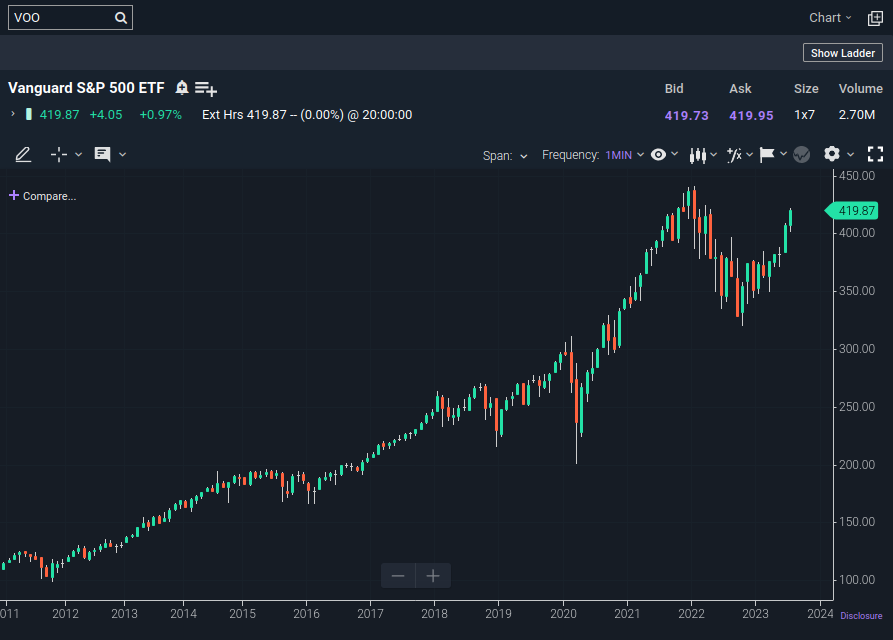
VOO index fund

1. Understanding Index Funds

What are Index Funds?

Index funds are a type of mutual fund or exchange-traded fund (ETF) that aims to replicate the performance of a specific market index, such as the S&P 500 or the Nasdaq. By investing in an index fund, you essentially own a slice of the entire index, providing instant diversification across a broad selection of companies.

The Benefits of Index Funds

Index funds offer several advantages over actively managed funds, including lower expense ratios, reduced portfolio turnover, and consistent returns that closely mirror the overall market. Additionally, they are an excellent choice for investors seeking long-term, low-maintenance investment solutions.

2. Assessing Risk Tolerance and Goals

Analyzing Your Risk Tolerance

Before delving deeper into index fund investing, it’s crucial to assess your risk tolerance. This will help determine the appropriate asset allocation and level of exposure to equities and bonds. Factors such as age, financial responsibilities, and investment horizon play a role in understanding your risk tolerance.

Setting Clear Investment Goals

Establishing clear investment goals is the foundation of a successful index fund strategy. Whether you’re saving for retirement, a down payment on a house, or funding your child’s education, defining your objectives will guide your investment decisions.

3. Diversification: Beyond the Basics

Exploring Sector-Based Diversification

While index funds inherently offer diversification, you can further enhance your portfolio by exploring sector-based index funds. These funds focus on specific industries or sectors, allowing you to capitalize on market trends and potential growth areas.

International Diversification Opportunities

Incorporating international index funds can provide exposure to global markets and reduce reliance on the domestic economy. Diversifying across regions can mitigate risks and open up new opportunities for higher returns.

4. Leveraging Exchange-Traded Funds (ETFs)

How ETFs Complement Index Funds

ETFs offer a unique way to enhance your index fund strategy. These funds trade on stock exchanges, providing intraday liquidity and flexibility to buy or sell at any time during market hours. Adding ETFs to your portfolio can enable you to fine-tune your asset allocation more frequently.

Leveraged and Inverse ETFs: A Cautionary Note

Leveraged and inverse ETFs are designed for short-term trading and speculative purposes. These funds use derivatives to amplify returns, but they also magnify risks significantly. As a long-term investor, it’s crucial to approach these funds with caution, as they are not suitable for most portfolios.

5. Smart Beta Strategies

What is Smart Beta?

Smart beta strategies aim to enhance returns or reduce risk by selecting and weighting stocks based on specific factors rather than traditional market capitalization. These factors could include value, momentum, volatility, or other quantitative metrics.

Evaluating Factors in Smart Beta Strategies

Selecting the right factors for your smart beta strategy requires careful analysis and consideration. Factors may perform differently over various market conditions, so it’s essential to understand how each factor aligns with your investment objectives.

6. Tax Optimization Techniques

Understanding Tax Efficiency in Index Funds

Index funds are generally tax-efficient due to their low turnover and long-term approach. However, investors can take additional steps to optimize their tax situation further. Strategies like tax-loss harvesting can offset capital gains and reduce tax liabilities.

Tax-Loss Harvesting and its Benefits

Tax-loss harvesting involves selling investments at a loss to offset gains from other investments, thereby reducing taxable income. This technique can help maximize after-tax returns and improve the overall tax efficiency of your index fund portfolio.

7. Dollar-Cost Averaging vs. Lump-Sum Investing

Pros and Cons of Dollar-Cost Averaging

Dollar-cost averaging involves investing a fixed amount of money at regular intervals, regardless of market conditions. This approach can provide a sense of discipline and reduce the impact of short-term market fluctuations.

Lump-Sum Investing in Favorable Market Conditions

On the other hand, lump-sum investing entails investing a significant amount of money all at once. While it carries higher short-term risks, lump-sum investing can yield greater returns in favorable market conditions.

8. Rebalancing Your Portfolio Effectively

The Importance of Regular Rebalancing

As market values change, your portfolio’s asset allocation may deviate from your original target. Regularly rebalancing your portfolio helps maintain your desired risk profile and ensures that you stay on track to meet your financial goals.

Avoiding Emotional Decisions

It’s essential to approach portfolio rebalancing methodically and avoid making emotional decisions based on short-term market movements. Sticking to a predetermined rebalancing schedule helps prevent knee-jerk reactions.

9. Monitoring Performance and Staying Informed

Utilizing Financial News and Resources

Staying informed about market trends, economic indicators, and industry news can provide valuable insights for your index fund investing strategy. Utilize reputable financial news sources and stay updated on changes in the financial landscape.

Tracking Your Index Fund’s Performance

Monitoring the performance of your index fund holdings is critical for evaluating the effectiveness of your investment strategy. Regularly review your portfolio’s performance and compare it to relevant benchmarks.

10. Understanding Market Volatility

Staying Calm During Market Fluctuations

Volatility is a natural part of the financial markets. As an index fund investor, it’s essential to stay calm and avoid making impulsive decisions during periods of market turbulence.

Using Volatility to Your Advantage

Volatility can create buying opportunities for long-term investors. Consider using market downturns to add to your positions and take advantage of potential discounts in stock prices.

11. Avoiding Common Mistakes

Chasing Performance: The Pitfalls

Trying to time the market or chase after recent top-performing funds can lead to suboptimal results. Focus on your long-term investment goals and avoid making investment decisions based solely on short-term performance.

Market Timing and its Dangers

Attempting to predict market movements is a challenging and risky endeavor. Time in the market is generally more critical than trying to time the market.

12. Embracing Long-Term Investing

The Power of Compounding Returns

Long-term investing allows you to benefit from the compounding effect, where your investment gains generate additional gains over time. This compounding effect can significantly boost your wealth.

Patience as a Virtue

Successful index fund investing requires patience and discipline. Stick to your investment plan and resist the temptation to make frequent changes to your portfolio.

13. The Rise of Artificial Intelligence in Index Fund Management

AI and Its Impact on Investing

Artificial intelligence is revolutionizing the financial industry, including index fund management. AI tools can analyze vast amounts of data and make data-driven investment decisions.

Combining Human Expertise with AI Tools

While AI can enhance investment strategies, human expertise remains essential. Combining human judgment with AI-driven insights can lead to more informed and successful investment choices.

14. Conclusion

Index fund investing offers a reliable and efficient way to grow your wealth over the long term. By incorporating advanced strategies such as sector-based diversification, smart beta techniques, and tax optimization, you can take your index fund investing to new heights. Remember always to consider your risk tolerance, investment goals, and time horizon when implementing these strategies. Stay informed, embrace a long-term mindset, and be patient with your investments. By doing so, you can achieve greater success and build a more secure financial future.

FAQs

Q1: Can index funds outperform actively managed funds?

Index funds typically aim to match the performance of a specific market index rather than outperforming it. However, due to their low expenses and consistent returns, index funds can often outperform many actively managed funds over the long term.

Q2: Are there any risks associated with smart beta strategies?

Yes, smart beta strategies carry certain risks. The performance of smart beta funds depends on the factors they are based on, and these factors may not always perform well under all market conditions.

Q3: How often should I rebalance my index fund portfolio?

The frequency of portfolio rebalancing depends on your investment strategy and risk tolerance. Some investors rebalance annually, while others may do so quarterly or semi-annually.

Q4: Can I invest in both index funds and individual stocks?

Yes, many investors combine index fund investments with individual stock holdings to achieve a balanced and diversified portfolio.

Q5: Should I consider consulting a financial advisor for my index fund investing?

Consulting a financial advisor can provide valuable insights and personalized guidance tailored to your specific financial situation and goals. It may be especially beneficial if you’re new to investing or require assistance with more complex investment strategies.